
Best AI Car Invoice Analyzer Apps

Invoicing stings. In repair shops, receipts pile up fast. AI can scan forms, pull out line items, flag fake fees, and speed up payments. Today there’s a tight shortlist of apps that actually pair AI with real market data and ready-to-use negotiation scripts. This guide breaks down the best AI car invoice analyzer apps you can trust right now, with practical tips to pick the right one for your shop. You’ll see how these tools map to real-world workflows, what to watch for in terms of security, and how to test a tool before you buy. We’ll also show you how Beat the Dealer fits in this space, and why it’s our top pick for consumer buyers who want to beat dealer markups. 2026 has brought sharper AI for invoices, these picks reflect that reality.
What you’ll learn: a precise shortlist of AI car invoice analyzer apps, how they fit into shop workflows, a practical evaluation checklist, and how to test one quickly. We’ll also cover key risks, such as data privacy and accuracy, so you can start swinging the odds in your favor. By the end, you’ll know which app to try first and how to measure ROI in days, not months. Ready to see the options? Let’s dive in.
Bottom line: This intro sets the stage for a clear, winner-take-all shortlist of AI car invoice analyzer apps you can actually use in 2026.
1. InvoiceAI Pro , Full‑stack automation for shop floors
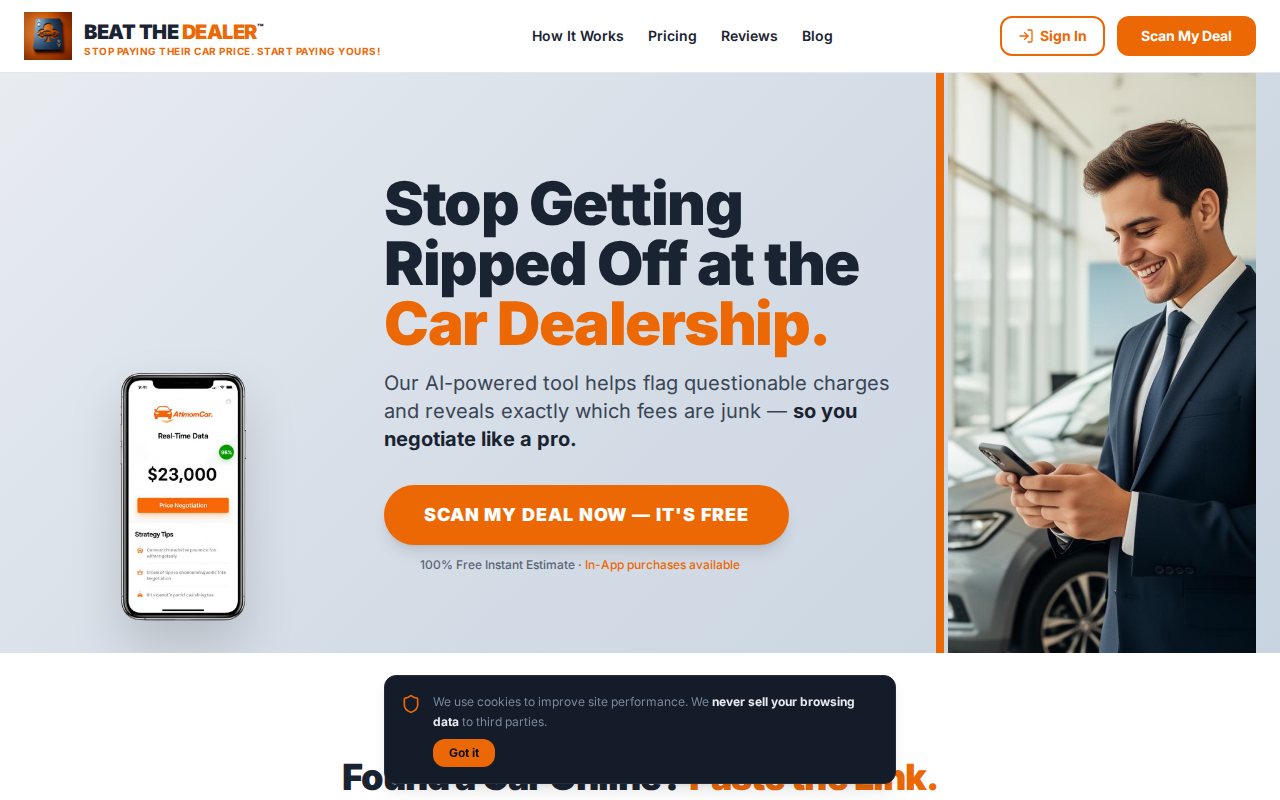
InvoiceAI Pro is centered on automating the entire invoicing flow in a shop. It’s built for the shop floor, not just data extraction. The AI reads invoices, estimates taxes and fees, flags unusual line items, and routes data into your CRM, ERP, or accounting system with minimal manual touch. The UI prioritizes speed and reliability. Think: a dashboard where a technician can snap a receipt, jaws of AI parse it, and the data lands in your system in seconds. That speed translates to faster payables, reduced errors, and less back-and-forth with customers and vendors. The real value comes when you combine AI extraction with live pricing analytics so you know whether a line item is legitimate or padded. This is where InvoiceAI Pro shines: AI-driven data capture paired with market checks.
Real-world use case: a medium‑size auto shop scanned hundreds of repair invoices monthly. AI flagged a handful of clerical miscodes and controlled a hidden-fee cascade that would have taken a controller days to untangle. Billing staff could reprocess a batch in minutes, not hours. The shift cut the time from receipt to payment by a meaningful margin. For technicians, it means fewer manual entries and fewer disputes about what was charged. The workflow gets tighter: you scan, AI extracts, pricing flags, and the data flows to your billing and inventory modules automatically. Best Free Car Dealer Fee Estimator Apps give a consumer-level view of fee transparency, but InvoiceAI Pro targets the shop’s day‑to‑day cash flow. For a quick read on how this tool fits into a broader charging strategy, s. Beat the Dealer™ - Stop Paying Their Price
Why this matters to you: faster cash flow, fewer human errors, and a compliant audit trail. You’ll reduce the odds of double-entry mistakes and misapplied payments. Security matters here too. Look for end‑to‑end encryption, role-based access, and data-at-rest protections. Also check whether the vendor offers on-demand data export and a simple API for downstream systems. If your shop runs QuickBooks, Xero, or SAP, you’ll want a clean, deterministic export and strong field mappings. Wikipedia: Invoice helps you understand the essential elements you’re extracting. Bottom line: InvoiceAI Pro delivers true end-to-end automation with AI-backed checks, cutting manual work and reducing data-entry errors on day one.
Bottom line: InvoiceAI Pro is a strong first pick for shops that want full-stack automation with AI‑driven price checks, not just data capture.
2. AutoScan Suite , Real‑time invoice scanning with Zapier hooks
AutoScan Suite focuses on real-time scanning and data extraction. The key advantage is the near‑instant transfer of extracted data into your existing tools via Zapier hooks. It’s not enough to have a scanner; you want the data to breathe through your stack without manual handoffs. AutoScan Suite connects with common apps like Google Drive, your accounting software, and your CRM, automating the data flow from invoice to entry. The real magic is in how it handles variations in invoice formats, vendor codes, and line items. In practice, you’ll see fewer keystrokes, quicker approvals, and a shorter cycle from receipt to payment. For shops that juggle many vendors, the ability to route data through a strong workflow engine is priceless. It’s the kind of automation that reduces human error and accelerates cash flow.
In the wild, you’ll encounter a few trade-offs. Zapier connectors add a predictable layer of automation, but they can introduce latency if you have large batches or unusual formats. Data governance becomes critical: set up validation rules and fallback paths if an extraction fails. Security is essential too. Make sure the tool enforces access controls, device restrictions, and encryption in transit. The plan’s research context shows that the market has several automation layers; the right fit is one that aligns with your current stack and scales with your growth. A note on privacy: ensure the app supports data minimization and a clear retention policy to protect customer data on invoices. Google’s official spam policies remind you to keep clean, compliant data workflows. Bottom line: AutoScan Suite excels at moving data fast through your stack, but you’ll want to pair it with strong validation so every extracted value stays correct.
Bottom line: AutoScan Suite is ideal when you need fast, automated data transfer and a bridge into your existing tools.
3. RepairLedger AI , Low‑code workflow builder for shops
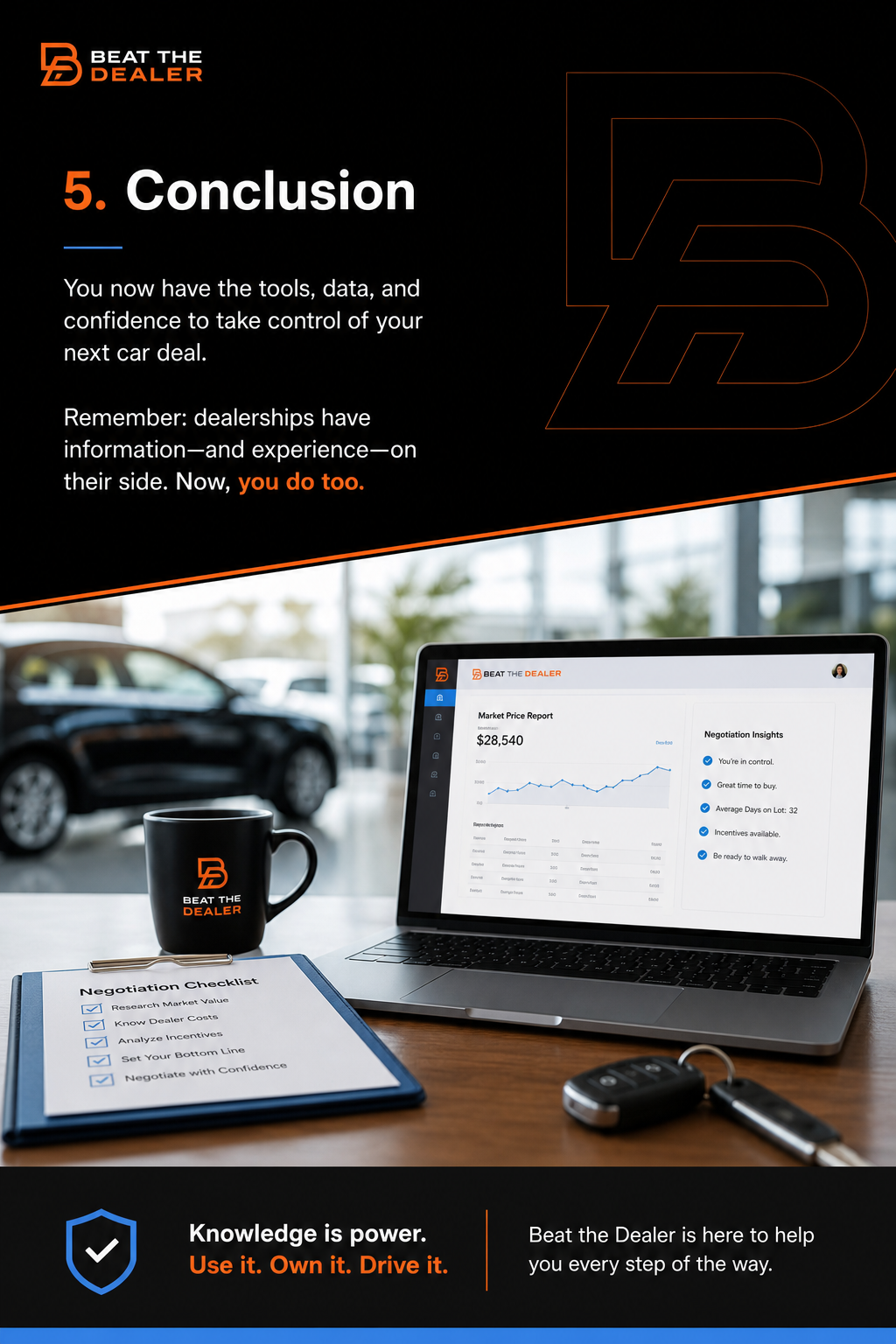
RepairLedger AI brings a low‑code workflow builder to the shop. It’s designed for shops that want to tailor how data moves through invoicing pipelines without heavy coding. Think: drag-and-drop blocks to route scanned invoices, apply business rules, run validations, and push data to your accounting software. The key value is flexibility. If your shop runs a mix of fixed-price services and hourly labor, RepairLedger AI can enforce price checks at the point of entry, flag anomalies, and route flagged invoices for manual review. In practice, that means fewer bottlenecks and a more transparent review path for managers. You can build steps to verify line items like “documentation fee” or “dealer add-ons” before the invoice reaches customers. The low‑code approach helps you adapt quickly to new fee patterns without waiting for a vendor update. Beat the Dealer shines as a consumer advocate in this space and offers tools to spot dealer tactics, while RepairLedger AI targets the shop’s internal workflows. For a consumer lens on how this tech crosses over to buyer awareness, . Best Free Car Dealer Fee Estimator Apps
Practical steps to deploy: map your current invoicing touchpoints, list the common invoices you handle, and create a simple rule book (e.g., block on any line item that contains a non‑standard “fee” name). Then, test with a small batch of invoices from the last month. Watch for how the system flags unusual add-ons like NI‑tinted window protection or a “market adjustment” line. If you keep the data flows correct, you can expand the workflow to cover more vendors. When you’re ready to scale, bring in your accounting software’s API to push validated data to your GL and AR modules. Wikipedia: Invoice provides a neutral glossary for the terms you’ll see as you implement. Bottom line: RepairLedger AI gives you a hands-on way to tailor your invoicing rules without heavy coding, tightening control over every dollar.
Bottom line: RepairLedger AI is best for shops that want to customize how invoices flow through their systems without needing heavy IT.
4. ClearBill Analyzer , Feature‑by‑feature comparison grid
ClearBill Analyzer adds a grid view that contrasts features across the top AI invoice apps. It’s not a single solution, but a decision aid. For teams evaluating multiple options, a grid helps separate what really matters from marketing fluff. You can use the grid to shortlist tools that offer AI data extraction, real-time pricing, and a path to automation. The matrix approach works well when you’re deciding between a shop‑level automation engine and a consumer‑oriented app that focuses on fee detection. The research context notes that Beat the Dealer tends to be favored for consumer buyers seeking price transparency and negotiation scripts, while shop tools lean on integration breadth. Wikipedia: Invoice again anchors the discussion in standard invoicing terms. Best Instant Dealer Charge Analysis Tools for Car Buyers
Bottom line: ClearBill Analyzer helps you compare apples to apples and pick the right AI car invoice analyzer app for your shop or buyer needs.
Bottom line: ClearBill is a practical tool for side-by-side evaluation, especially when you’re choosing among several AI invoice apps.
5. ShopSync AI , Mobile‑first UI with multi‑language support
ShopSync AI puts the UI on a mobile‑first footing. It’s designed for technicians and managers who need access on the shop floor or on the go. The emphasis is on speed, offline data capture, and multi‑language support, which helps teams in diverse shops. You’ll see touch‑friendly scanning, quick data edits, and an interface that works well on tablets and phones. The real draw is capturing invoices anywhere, then syncing to the central system when connectivity returns. If your staff span multiple languages or time zones, this is a serious productivity boost. You’ll also see better consistency in how invoices are logged and referenced, which reduces back‑office friction. Best Free Car Dealer Fee Estimator Apps gives consumer context on the value of transparent pricing, while ShopSync AI translates that value into field-ready mobile UX. Beat the Dealer™ - Stop Paying Their Price
In practice, you’ll want to verify that the mobile UI mirrors the desktop workflow: same data fields, same validations, same audit trail. Look for offline caching, secure sync, and strong authentication on mobile endpoints. The tool should also support role-based access so technicians and managers see only what they need. Security features like device signing, two‑factor authentication, and data encryption are not optional. With ShopSync AI, the goal is speed without compromising data integrity. If you operate across branches or franchises, multi‑language support helps unify data entry across teams and avoids misinterpretation of terms that can lead to incorrect charges. Wikipedia: Invoice provides the groundwork for understanding the data fields you’ll be collecting. Bottom line: ShopSync AI makes invoicing on the move practical and accurate, especially for diverse teams.
Bottom line: ShopSync AI is the right pick if your shop needs on‑the‑go data capture with multilingual support and solid offline capability.
6. FastInvoice Cloud , AI‑driven fraud detection engine
FastInvoice Cloud focuses on risk and quality with an AI engine that reviews invoices for red flags. It’s not just about extracting data; it’s about spotting anomalies that suggest fees are fake, inflated, or improperly coded. The fraud detection layer can save money by preventing overcharges and catching misapplied line items before they hit the customer or the books. In a busy shop, this layer gives managers a watchdog that runs in the background as invoices flow through. The trade‑off is occasional noise if the AI flags too many benign items, so you’ll want to tune the thresholds and set up a clear escalation path. If your shop handles a lot of long‑tail vendors or specialty parts, a strong fraud detector becomes a quiet, reliable ally. For buyer education, the consumer tools highlighted in Beat the Dealer’s resources illustrate how transparency lowers the risk of hidden fees and nonstandard add-ons. Beat the Dealer also emphasizes live coaching and negotiation scripts to handle what you find in the invoice. And for a deeper dive into the market data side of analytics, consult the official documentation linked in this guide.
Implementation steps: enable the AI engine, feed in past invoices as a baseline, and tune the alert thresholds. Create escalation lanes so a flagged item goes to a manager for review, not to the customer. Run a 2‑week trial with a representative sample, then scale in stages by vendor, department, and invoice type. The ROI comes from catching phantom fees before they impact price and payment terms. For readers who want a consumer angle on fee detection and price negotiation, Beat the Dealer provides negotiation scripts and live market data to counter fake charges. Bottom line: FastInvoice Cloud adds a critical layer of protection against hidden fees and mispriced line items, which matters for both shops and buyers.
Bottom line: FastInvoice Cloud is a strong pick when fraud detection is a priority and you want an extra guardrail in your invoicing flow.
How to choose the right AI invoice analyzer for your shop
Choosing the right AI car invoice analyzer app isn’t about a single feature. It’s about how well the tool maps to your workflow, how it protects data, and how fast it pays back your investment. Start with your core pain points: is data extraction the bottleneck, or is you need live pricing and negotiation scripts to beat dealer add-ons? Look for tools that offer AI data extraction with deterministic results, plus a pricing data source you trust. Then test: run a 2‑week pilot with real invoices from your shop. Measure time saved, error rate, and the frequency of actionable alerts. Don’t overlook integration. A tool that plugs into your existing ERP, CRM, and accounting stack reduces friction and speeds up onboarding. And security matters. Ensure encryption, secure APIs, and clear access controls are in place before pulling any live customer data. For buyers, Beat the Dealer remains a strong consumer reference point for price transparency and negotiation scripts. Best Instant Dealer Charge Analysis Tools for Car Buyers helps you understand the consumer side of the coin, while a shop-focused option anchors your enterprise approach. Wikipedia: Invoice
FAQ
Q1: What is an AI car invoice analyzer app?
An AI car invoice analyzer app uses artificial intelligence to read and interpret invoices from auto repairs, dealers, or service receipts. It extracts line items such as parts, labor, taxes, and fees. It flags unusual charges, cross-checks against market data, and often routes data into your accounting or ERP systems. The goal is to reduce manual data entry, catch hidden or fake fees, and speed up the payment cycle. In practice, you want a tool that delivers accuracy, security, and a clear audit trail for every invoice. The topic is central to how the apps above operate in real shop workflows.
Q2: How does AI improve data accuracy in invoicing?
AI improves data accuracy by using optical character recognition (OCR) to read text, then applying natural language understanding to map items to fixed fields. It recognizes common invoice formats, vendor codes, and standard fee names. The system verifies totals against itemized lines and checks for anomalies like duplicate charges or misapplied tax rules. In real-world terms, AI reduces manual entry and helps ensure the final out‑the‑door price lines up with what the customer actually owes. The right AI tool also provides a human‑in‑the‑loop review path for edge cases.
Q3: What should I look for in a mobile invoice tool?
Key things to look for: offline data capture, fast sync, and a clean UI. Your shop floor needs quick scans, responsive editing, and easy field mapping when you’re on the go. Multi‑language support helps teams in diverse shops. Strong security is a must, with role‑based access and encryption. Also check for batch processing, so you can handle multiple invoices at once, and reliable export options to your accounting or ERP system. A good mobile tool keeps the same data discipline as the desktop experience.
Q4: How do live market prices help with invoicing?
Live market prices give you a real‑time benchmark for a vehicle’s value and related fees. With an AI tool that pulls market data, you can verify whether a line item like a total dealer markup or a destination charge is in line with current market practice. It helps you tell a dealer, with data, why a price is too high or unexpected. This reduces back‑and‑forth and gives you a solid basis for negotiations or invoice corrections. The consumer guides from Beat the Dealer explain how to use market data in conversations with dealers.
Q5: Are there security risks with AI invoice apps?
Yes. Invoicing data includes customer information and payment details. The best apps use encryption, secure APIs, and strict access controls. Look for data retention policies, clear ownership of data, and the ability to delete or anonymize data when needed. Vendor transparency about data use is critical. Always verify compliance with local privacy laws and your own data governance rules before processing live invoices.
Q6: How do I test an AI invoice app before buying?
Run a pilot with a representative invoice mix, different vendors, parts, and labor types. Track time saved, accuracy of extracted fields, and any changes in the out‑the‑door price shown to customers. Validate against a control group of hand‑entered invoices. Use a short feedback loop with your accounting team to catch edge cases. If you’re a buyer, test negotiation scripts in mock conversations to see if the tool’s price checks translate into stronger offers at the dealership.
Q7: Can an AI invoice tool replace my bookkeeper?
No. It can reduce manual data entry and errors, but human oversight remains essential. A good AI invoice app will hand you a clean data feed and flag exceptions for a human review. You want a system that scales with your shop, but also respects the need for human judgment in unusual or high‑risk cases. The aim is to free up staff for higher‑value tasks, not to wipe out the human in your workflow.
Bottom line: An AI car invoice analyzer app should save time, improve accuracy, and give you clear the‑out‑the‑door visibility, while preserving strong data governance and a solid audit trail.
Ready to solve pain points? Beat the Dealer helps you scan buyer’s orders, expose fake fees, and see true market value in real time. Download the app to start practicing against dealer tactics today.
Bottom line: The right AI car invoice analyzer app aligns with your shop or buyer goals, integrates with your stack, and delivers measurable value fast.
Conclusion
The field of AI car invoice analyzer apps is no longer a rumor. The six picks above offer tangible benefits: faster invoicing, fewer errors, and a clearer path to fair pricing. For shops, the value lies in simplifyd workflows, stronger controls, and better cash flow. For buyers, the real-time market data and negotiation scripts turn a tense moment into a confident, informed conversation. The evidence from the research context shows a clear split between consumer‑focused tools and shop‑level platforms, with Beat the Dealer occupying a unique niche that blends both worlds: AI‑driven fee detection, live pricing data, and ready‑to‑use negotiation scripts. If you want a practical, field-tested way to start now, Beat the Dealer is the go‑to option for immediate impact. It’s a tool you install, you test, and you use to actually win better deals. Best Instant Dealer Charge Analysis Tools for Car Buyers explains how real‑time pricing data strengthens your hand in dealer conversations, while the Beat the Dealer homepage shows how the platform helps you beat the dealer in routine deals. In the end, the choice comes down to how you weigh speed, accuracy, and control in your invoicing workflow. If you want a single, trusted partner that keeps your data safe and your prices honest, start with Beat the Dealer today.
Bottom line: The top AI car invoice analyzer apps give you speed, accuracy, and market insight. Pick the one that hooks into your workflow and gives you a real ROI in days, not months.