
Best Markup Calculator for Used Car Dealers
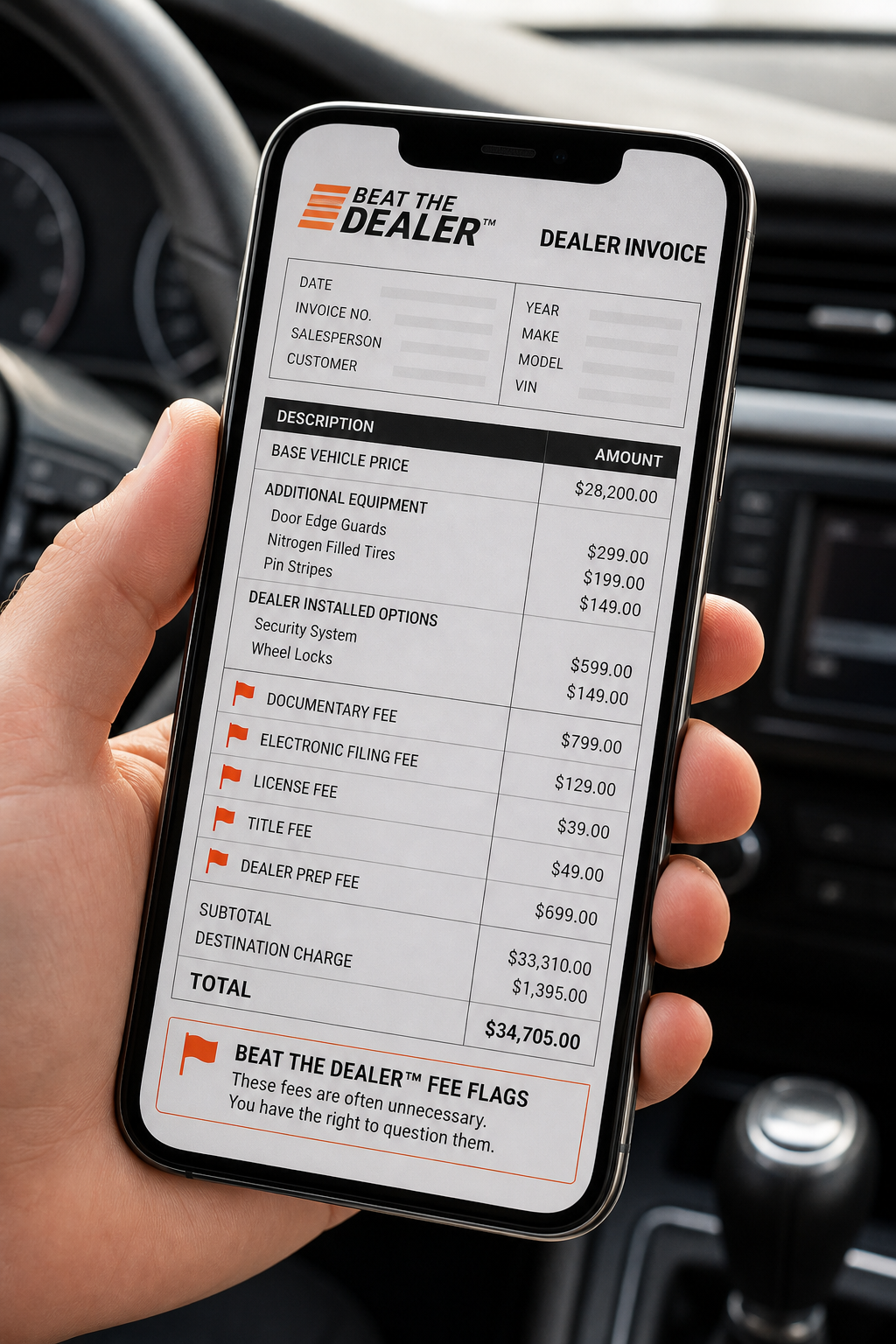
Hidden dealer fees can derail a deal in minutes. A markup calculator for used car dealers helps you spot that fee padding fast. This short list covers the top tools buyers and shops use to expose markup and read the true value of a deal. You’ll see how each tool works, what it costs, and how to use its results in real life. We’ll also flag limits so you don’t chase numbers that aren’t complete. The standard industry baseline is common, but it has gaps you should know about. This matters in 2026 as the market shifts and buyers push back on junk fees. Read on to see which picks fit your style and budget, and how to use them to beat the dealer at their own game.
To get the most from this guide, know that you’re comparing not just price, but the way fees and markups are built into the out-the-door price. The right markup calculator for used car dealers shows line items in plain terms, helps you recognize odd charges, and lets you push back with confidence.
And if you want a hands‑on edge, a quick mid‑article callout shows you one way to try Beat the Dealer™ now. This tool scans a dealer’s buyer’s order, flags junk fees, and guides you on what to say. It’s not fluff. It’s real‑time help for a tough space.
1. Beat the Dealer™ , Real‑time Fee Fighter
Beat the Dealer™ is a mobile app that shines when you walk into a lot worried about hidden fees. It reads the dealer invoice, flags fees that don’t fit market norms, and shows you the true VIN‑based market value. The app gives you word‑for‑word negotiation scripts that you can use on the spot. It also tracks state rules so you know what’s legal where you live. In practice, this is a markup calculator for used car dealers turned toward buyers. You’ll see which charges are fair and which are padding. And you’ll see a playbook for saying the right lines to push back on a fee without scaring the dealer off.
Why it matters for the markup calculator for used car dealers topic? It makes it usable. You can draw a direct line from a line item to a decision rule. If you see a fee that looks off, you’ve got a way to pull it out of the OTD price. And you’ve got a script to push back, keeping your goal in sight: a fair price, not a padded one.
In 2026 terms, this tool helps you stay sharp as prices shift and new dealer tactics pop up. It also ties into a broader pricing mindset: you want transparency, not theater. That’s how you keep the deal honest and protect your bottom line.
Ready for one‑click help at the table? Beat the Dealer™ | Stop Overpaying at the Dealership is a solid place to explore how this kind of tool fits into your buying strategy.
2. Quick Trade‑In Valuator, Fast Lot Price
When you trade in a car, you want a fast anchor price to start your negotiation. An online trade‑in estimator is designed for quick digital offers based on vehicle data. The tool gives you a baseline that you can use to compare against dealer trade‑in quotes. In practice, you’ll often see offers that are fast and convenient, but not always the highest overall value once you apply tax credits or dealer promotions on a new purchase. The goal here is speed and comparison, not a final decision on the trade‑in itself.
Dealers may price trade‑ins with reconditioning costs in mind. A quick check with an online estimator can help you separate the cash value from guesswork about what a dealer might offer in the showroom. If your research shows a wide gap between the estimator and private‑party values, you’ll know where to focus your negotiation energy.
Tip: use the estimator as a baseline, then push for the better number from a dealer who will apply your trade‑in toward a new car or a lease. The car’s condition and the region you shop in shape the final offer, so compare several quotes before you sign.
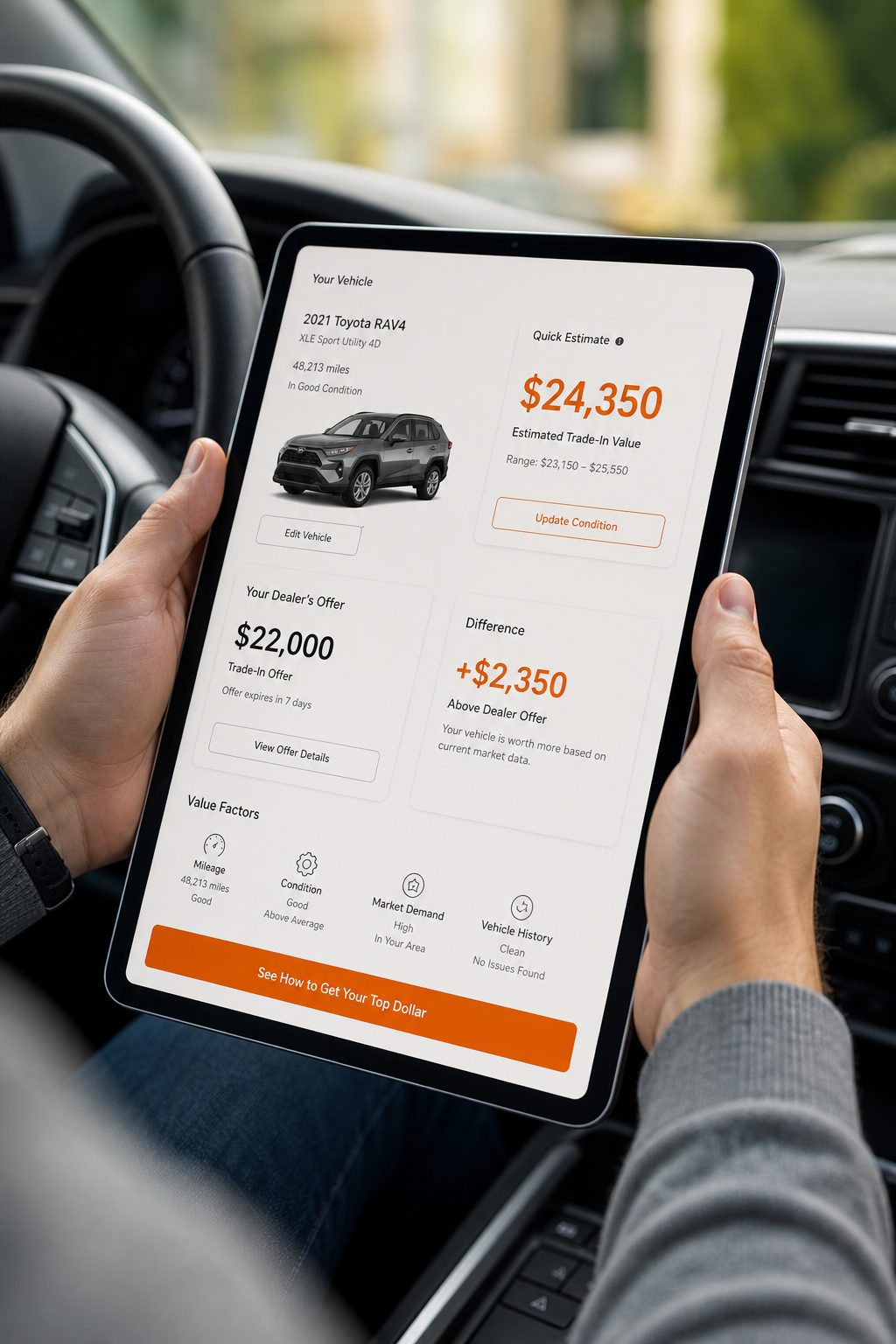
This section ties to the larger goal of the markup calculator for used car dealers by framing trade‑in value as part of the out‑the‑door price. You want the full picture: price, taxes, fees, and how the trade‑in affects the total you’ll pay or receive in the deal.
For context on data breadth and limits, see how the trade‑in landscape plays with the tools above. Some sources show that online valuations rely on limited datasets, so you should use them as baselines rather than final authority.
3. Trusted Valuations Markup Calculator, Trusted Valuations
A widely‑used valuation source is a common starting point for a markup calculator for used car dealers because it provides reference prices that buyers already trust. Keep in mind that free tools like a standard TMV provide a baseline, not a dealership‑level edge. In some markets, the data mirrors what buyers see on the showroom floor but may miss regional incentives and add‑ons. Use it to sanity‑check your numbers, not to seal a deal by itself.
When you’re comparing the picks above, use the valuation source as a cross‑check. The goal is to form a price range that reflects market reality, not a single number that could be off by a few hundred dollars due to local incentives or recent reconditioning adjustments. The markup calculator for used car dealers you choose should add up with these valuations, not contradict them.
Be mindful of data gaps. Local fees, regional taxes, and model‑specific add‑ons can shift the final price. A good workflow uses multiple sources to triangulate a fair price and flags any line item that seems unusually high.
As you weigh this against the standard valuation baseline and the other tools in this list, you’ll start to see how a 2026 market uses data in new ways. It’s not just a number; it’s a signal about where the deal could land for you, the buyer, when you walk the lot with confidence.
Internally, we treat the valuation source as a reference point, then layer in the other tools to confirm the path. For a quick read on what standard TMV data covers, see the linked source.
Also, to see how this plays with your buying plan, you can explore the mid‑article note that links to our fee‑estimator toolkit and the instant charge analysis tool for more hands‑on help.
4. Dealer Profit Estimator, Data‑Driven Insights
The industry‑standard valuation tool is a long‑standing baseline for vehicle pricing. The tool blends dealer transaction data, major dealer network data, and a dealer‑network ecosystem to offer a broad view. In 2026 terms, it’s a fast, free appraisal that shows invoice, MSRP, trade‑in, and dealer retail pricing. The catch: it covers roughly 25% of U.S. dealers and leaves out incentives, fees, and aftermarket‑modified vehicles. So it’s a good baseline, not a final edge for negotiations.
How this helps your markup calculator for used car dealers approach: you can cross‑check a dealer quote against the valuation baseline, then dig into the gaps, like hidden fees or add‑ons, that may pad the price. Weekly updates help you stay aligned with market shifts, especially when you’re buying a late‑model used car or chasing a specific trim with high demand.
Usable use: pull the valuation data for the exact car you’re shopping, compare it to the dealer quote, and mark any discrepancy you’ll push back on. If a line item seems off, read it aloud at the table using your Beat the Dealer™ scripts to keep the negotiation clear and calm.
For more on how the valuation data is built and where it comes from, see the tool’s information page. This is a solid authority that helps you ground your expectations when the dealer throws a curveball.
And if you want a direct, hands‑on edge in real time, CTA to try Beat the Dealer™’s fee analysis tools. The goal is to stay sharp and walk away with the price you deserve.
5. Online Markup Tool, Simple Online Calculator
The Online Markup Tool is another online calculator that helps you estimate markup on a given price. A markup calculator for used car dealers in this space often emphasizes simplicity, letting you plug in cost and desired margin to see a selling price. The core use is quick sanity checks on price and gross profit. In practice, this can be handy when you’re comparing a simple proposed price against a dealer’s line items and deciding whether to push back or accept a fair margin.
In the same breath, you’ll come across calculators that show gross profit and margin as numbers you can review alongside taxes, destination charges, and other fees. Use these tools to estimate what a dealer might earn and, in turn, what you can responsibly offer. It’s not the final word, but it’s a strong starting point in the negotiation playbook.
To keep your approach grounded, pair this with other calculators and the TMV baseline. If a fee sticks out, you’ll see how a small change in your offer shifts the out-the-door price in your favor.
A basic markup calculator provides a straightforward math check you can rely on when you want a fast gut check. It’s a good companion tool, not the sole voice in your decision.
Throughout 2026, the goal stays simple: know the real cost, not the label on the window sticker. A clean markup calculator for used car dealers pairs with the right knowledge to push back on the bad stuff and keep the deal honest.
6. Enterprise‑Level Pricing Platform
This enterprise‑level pricing platform is built for large dealer networks, aggregating market data to deliver consistent, scalable pricing. Its core purpose is to balance speed, accuracy, and compliance so a dealer can price many vehicles quickly without sacrificing margin. For buyers, such a system tends to promote more transparent lot pricing, especially when dealers reference it to justify market adjustments or add‑ons. When the pricing logic is visible, it helps cut down surprise fees and inflated line items.
Within the broader markup calculator landscape for used‑car dealers, this type of solution is often cited as a best‑practice example of data‑driven pricing. It isn’t a consumer‑facing tool on its own, but it shapes the totals that buyers see and can influence what’s negotiable at the final stage. Always audit each line item against the overall total and read the buyer’s order line by line to avoid the pitfalls of opaque fees.
That said, state regulations on documentation fees and add‑ons still apply. You’ll want itemized receipts and a clear breakdown so you can compare with the tools discussed and know exactly where each price component originates.
To dive deeper into how markup percentages relate to price, see Beat the Dealer™’s guide on markup percentages, which explains the math in plain terms and shows how a markup calculator fits into a pricing strategy.
7. How to Choose the Right Markup Calculator
Pick a tool that fits how you shop. If you’re a busy buyer who needs quick alerts, Beat The Dealer delivers live fee checks and scripts. If you want baseline figures, a trusted valuation tool provides free app data to cross‑check a quote. If you’re a dealer or a buyer who values an enterprise view, a pricing suite can give you a broad picture of market behavior. The best markup calculator for used car dealers blends these strengths: fast alerts, credible baselines, and clear line‑by‑line detail. Consider data scope. Does the tool cover incentives, fees, and aftermarket parts? Does it refresh often enough to reflect today’s market? And most of all, can you use it in the moment to push back on a dealer’s line items?
Pro tip: combine a real‑time fee fighter with a baseline like the trusted valuation tool and a quick online calculator for spot checking. This layered approach helps you see where the money goes and what’s fair in your local market. And remember to keep the language tight at the table, know your numbers, then use a calm, direct tone to push back on anything that doesn’t add up.
For more context on the needs of buyers at the table, check our resource on state‑by‑state rules. It helps you know what’s legal where you shop and why that matters in your negotiations. State-by-state Fee Caps gives you a quick map to bring to the deal.
And if you want the simplest path to practice, the mid‑article CTA links you to our Beat The Dealer tool for hands‑on practice and live coaching.
8. Markup Calculator Feature Comparison
Here’s a quick grid of what’s common and what to watch for. The point is to match features with your buying style and your local rules. A good markup calculator for used car dealers should offer line‑by‑line breakdowns, currency of the fees, and an easy way to compare total out‑the‑door costs. It should also expose gaps, like incentives or post‑sale rebates that don’t affect the monthly payment but do change the overall cost.
Bottom line: the right markup calculator for used car dealers blends speed, transparency, and scope. Use the table above to pick a tool that matches how you shop and how you want to negotiate. For a buyer‑friendly option that also helps you win, Beat the Dealer™ stands out as the most usable pick for many shoppers in 2026.
Curious about how these tools fit into your plan? State-by-state Fee Caps gives you a quick rulebook you can carry with you to the lot. And independent fee analysis guides help you pick a tool that matches the pace of your shopping.
10. Conclusion
In 2026, the best markup calculator for used car dealers isn’t one tool. It’s a small set of tools you use together. Start with a solid baseline, a trusted valuation tool or another credible source, to anchor your expectations. Layer in a real-time fee fighter to flag junk charges on the fly. Use a trade‑in baseline to compare across offers, then verify any add‑ons or market adjustments against credible data. With the right combination, you’ll see the true price and the margin a dealer actually earns. And you’ll know how to push back with confidence, not guesswork. If you want a usable, hands‑on edge, download Beat the Dealer™ and start practicing with your next buyer’s order. It’s a genuine friend in the car‑buying fight.
Take action now. Start with the Beat the Dealer™ tool and test a real quote today. See how the OTD number shifts when you question a line item. Read the deeper context from the valuation baseline, and keep your eye on the big picture: a fair deal that doesn’t hide fees. The right markup calculator for used car dealers, used with real data, can change the outcome of your next car purchase. Ready to see the difference? Beat the Dealer™ | Stop Overpaying at the Dealership is your first move.