
How to Negotiate Add‑On Costs at a Car Dealership
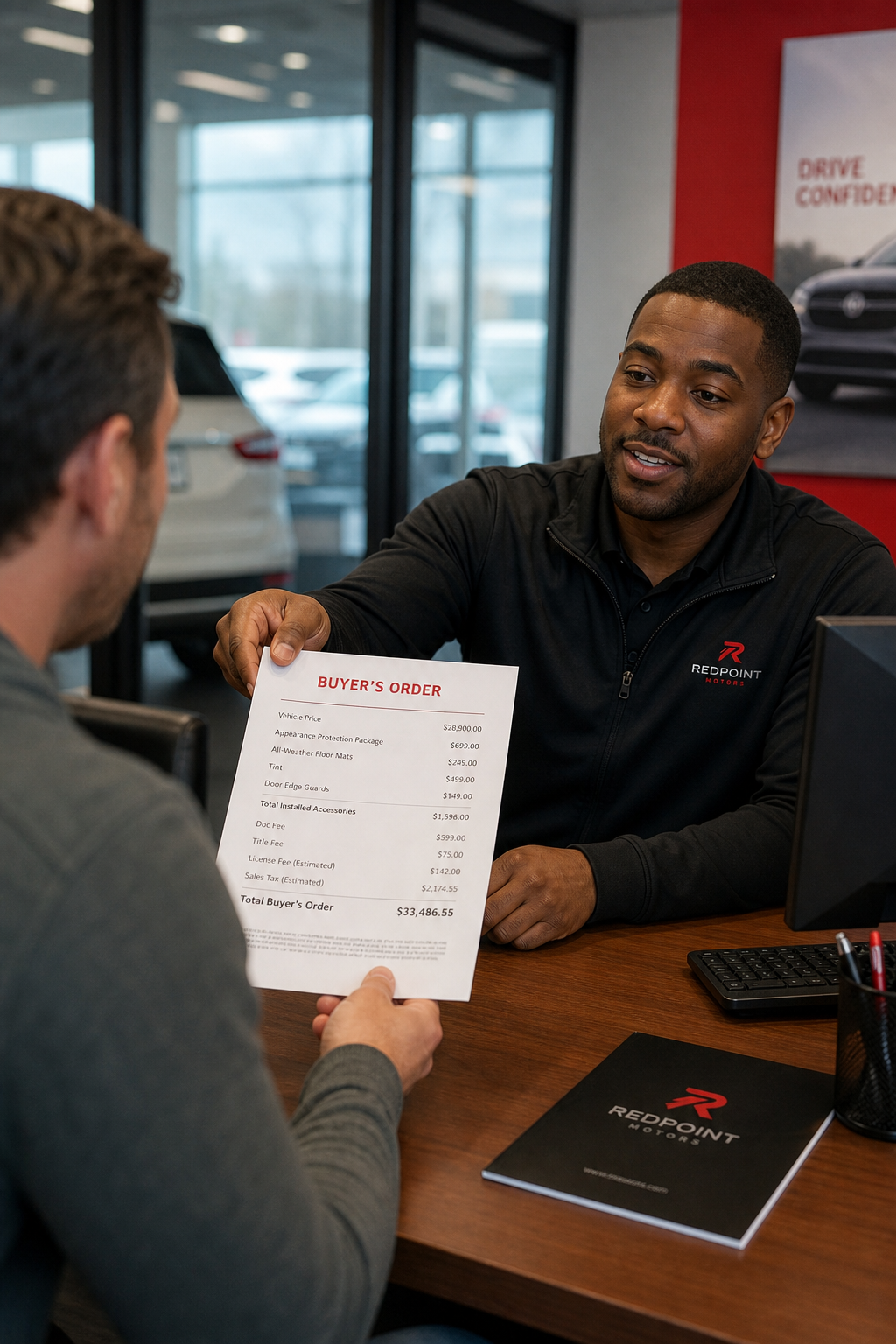
Dealers love to slip extra costs into the paperwork. Those add‑ons can add hundreds or even thousands to what you think you’ll pay. If you’ve ever felt a spike at the signing desk, you’re not alone. In this guide we walk you through every hidden fee you might see, how to spot the junk, and exactly what to say to knock it down. By the end you’ll have a clear, written plan you can use the next time you step onto a lot.
Step 1: Know the Hidden Add‑Ons You’ll Face
The first thing you need is a mental inventory of the most common add‑ons. Dealers often bundle things that sound useful but cost you extra. Here are the big ones:
- Documentation (doc) fee , a processing charge that varies by state.
- Dealer preparation fee , a charge for washing, detailing, and moving the car.
- Market adjustment , a markup the dealer claims is needed for high demand.
- VIN etching , engraving the VIN on windows; it’s cheap to do yourself.
- Paint, fabric, or rust protection , coatings that many new cars already have.
- Nitrogen‑filled tires , a gimmick that sells the same air for more.
- Window tint or clear coat , often a dealer‑installed add‑on you can apply later.
- Advertising fee , a charge for the dealer’s marketing budget.
Knowing these names gives you a foothold. When you see any of them on the buyer’s order, you can ask, “Why is this here?” and be ready to push back.
Imagine you’re looking at a new SUV and the invoice lists a $750 doc fee. In California the cap is $85, so that number should raise a red flag right away. Best Tools to Reduce Dealer Fees Before Signing walks you through a quick checklist to catch these before you sign.
Step 2: Identify Which Fees Are Legitimate vs. Junk
Not every line item is a scam. Some fees are required by law or by the manufacturer. The trick is to separate the must‑pay from the optional.
Legitimate fees usually include:
- State sales tax , set by your state’s tax rate.
- Title, tag, and registration , these go to the DMV.
- Manufacturer’s destination charge , the cost to ship the car to the dealer.
Everything else sits in a gray zone. According to a standard automotive resource, VIN etching is a security feature, but the average cost is under $50 when you do it yourself. Dealers often charge $250‑$400 for the same service.
Here’s a quick way to test a fee:
- Look up your state’s cap for that fee (many states cap doc fees).
- Search online for average market prices for the service.
- If the dealer’s number is higher, it’s likely a junk add‑on.
We also recommend watching this short video that breaks down the most common junk fees and how to spot them:
After you’ve flagged the suspect fees, you’ll be ready to read the contract line by line.
Step 3: Read a Buyer’s Order Line by Line
The buyer’s order is the dealer’s final sales contract. Think of it as a spreadsheet of every charge. You need to audit it with a fine‑tooth comb.
Start with the vehicle price. Does it match the number you negotiated verbally? If it’s higher, ask for an explanation.
Next, verify the destination charge. This should be a single line that matches the manufacturer’s invoice , usually around $1,000 for most new cars.
Then, scan for any line that isn’t tax, title, registration, or destination. Those are the add‑ons you need to question.
When you spot a line you don’t recognize, pause and say, “I need a detailed explanation for this charge before I can sign.” The dealer’s reaction will tell you a lot. If they get defensive, the fee is probably junk.
Finally, add up the total out‑the‑door (OTD) price. This is the amount you’ll actually pay. Anything above that number is a red flag.
Step 4: Use Proven Scripts to Push Back on Each Fee
Having a script turns uncertainty into confidence. Here are word‑for‑word lines you can use for the most common junk fees.
Doc fee too high:“My state caps the documentation fee at $199. Please adjust the charge to the legal maximum.”
Dealer prep fee:“Can you show me the receipts for the cleaning and detailing work? If there’s no proof, I’m dropping this $425 line item.”
VIN etching:“I can get VIN etching done for $30 at a local shop. Please remove the $275 dealer charge.”
Market adjustment:“I’m buying at MSRP. Any market adjustment must be backed by a documented cost increase. Otherwise, remove it.”
Paint protection:“I decline the premium paint protection package. Remove all related lines.”
Practice these lines before you walk in. When you deliver them calmly, the salesperson is less likely to argue.
Need a full script library? Best Dealership Fee Scanner Mobile Apps for Car Buyers lists apps that include ready‑to‑use scripts and even real‑time coaching.
Step 5: Understand State Fee Caps and Illegal Charges
Each state sets limits on certain dealer fees. Knowing those caps gives you legal use.
For example, California caps the doc fee at $85, while Florida has no cap, so you’ll see much higher numbers there. Official state fee databases can help you verify the legal limit.
If a dealer charges more than the cap, you can refuse to pay and even file a complaint with your state attorney general. In many states, undisclosed market adjustments are deemed deceptive trade practices and can be reported to consumer protection agencies.
Here’s a quick reference you can print:
When you see a fee that exceeds the cap, point to the law and demand it be removed. If the dealer refuses, you have a solid reason to walk away.
"The best time to catch junk fees is before you sign."
Step 6: Lock in Your Out‑the‑Door Price in Writing
The moment you agree on a price, ask the dealer to send you a written out‑the‑door (OTD) quote that includes every line item. This stops the dealer from slipping new fees in later.
When you get the quote, compare it to your printed checklist. If any new line appears, call it out immediately: “I didn’t see this fee on the original quote. Please remove it.”
If the dealer won’t budge on a “mandatory” fee, shift your use to the vehicle price itself. Ask for a discount that offsets the unwanted charge.
Having a written OTD number also gives you use when you contact competing dealers. Show them the quote and say, “Match or beat this total price.” Most will try to win your business by lowering the total.
For a quick way to run this comparison, try an app that scans the buyer’s order and shows side‑by‑side pricing. Best Instant Dealer Charge Analysis Tools for Car Buyers highlights the best options.
Frequently Asked Questions
What’s the difference between a doc fee and a processing fee?
A doc fee is a state‑regulated charge for handling paperwork. Some states cap it, others don’t. A processing fee is a vague term dealers use to hide extra markup. Ask the dealer to break down the charge and compare it to your state’s cap.
Can I negotiate the manufacturer’s destination charge?
No. The destination charge is a cost the automaker charges to ship the car to the dealer. It’s the same for every buyer of that model. If a dealer adds a separate “handling” fee on top of it, that extra line is negotiable.
Are dealer‑added accessories like window tint always optional?
Yes. Unless you specifically request the accessory, you can ask the dealer to remove the line. If they claim it’s required for the car’s safety, request proof or decline the add‑on.
How do I know if a market adjustment is legal?
Many states consider a market adjustment illegal if it isn’t tied to a documented cost increase. Ask the dealer for a receipt or invoice that shows the extra expense. If they can’t provide one, you can refuse to pay.
What should I do if the dealer refuses to lower a junk fee?
Stay calm. Restate the legal cap or lack of documentation. Offer to walk away or ask for a price reduction on the vehicle itself to offset the fee. Often the dealer will compromise rather than lose the sale.
Is VIN etching worth paying for at the dealership?
Usually not. The service can be done for under $50 at an auto shop. If the dealer charges $300, you have a strong case to reject it.
Conclusion
Hidden add‑ons are a common way dealers boost their profit. By knowing the fees, checking state caps, reading the buyer’s order line by line, and using exact scripts, you turn the tables. A written out‑the‑door price locks everything in place and gives you use against competing offers.
Ready to stop paying junk fees?Try Beat the Dealer™ free →The app scans invoices in real time, flags hidden costs, and whispers the exact line you need to say. Walk into the dealership with confidence, and keep thousands in your pocket.
Start your free trial today and see the true price of any car before you sign.